Snoring: what can help, and when to see a doctor
Simple changes that may reduce snoring, and the signs that mean you should get it checked.
Snoring happens when the airway narrows during sleep and the tissues in the throat vibrate. It is very common, and often made worse by sleeping on your back.
Things that may help
- Sleep on your side rather than your back.
- Keep your head and neck supported in a neutral position.
- Cut down on alcohol, especially in the evening.
- If you smoke, stopping can help.
- Keep to a healthy weight.
Pillows and snoring
A supportive pillow helps keep your head and neck aligned. The ZERO Anti-Snore Memory Foam Pillow has a 4-point support structure and dual-curved contours, designed to align your head and neck in any sleep position. A pillow can make sleeping on your side more comfortable, but it can’t fix every cause of snoring.
When to see a doctor
Speak to your GP if:
- someone notices you stop breathing, gasp or choke while you sleep
- you are very sleepy during the day
- your snoring is very loud or affecting your sleep or your partner’s
These can be signs of obstructive sleep apnoea, which needs medical advice.
Products in this guide
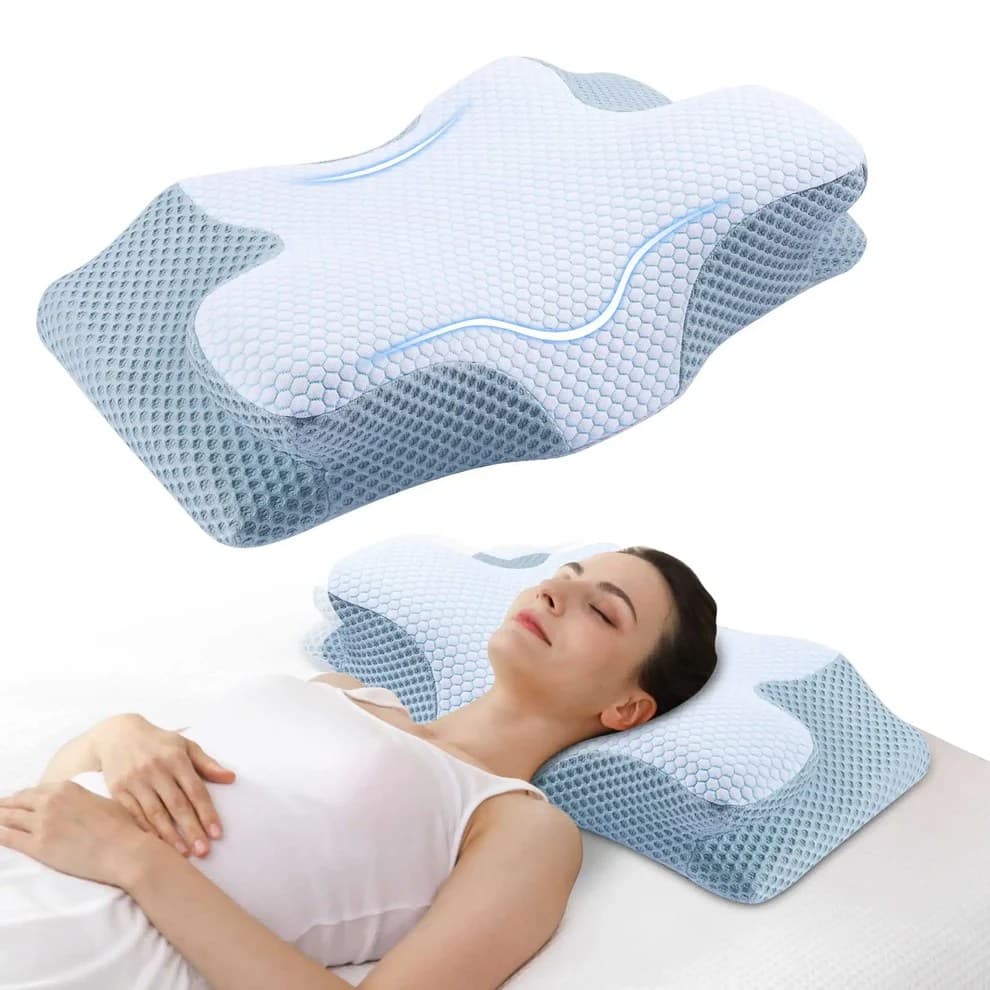
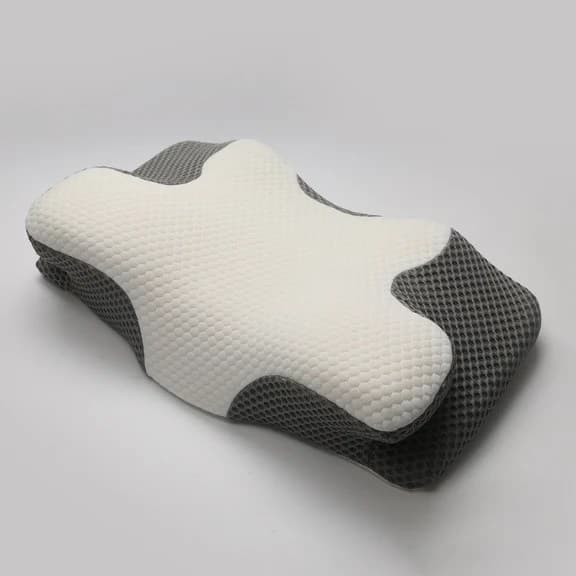
ZERO Pillow Anti-Snore Pillow
Enjoy balanced comfort and support with this ergonomic memory foam pillow, designed with a 4-point support structure and dual-curved contours to align your head and neck in any sleep position. The high-density slow-rebound foam relieves pressure while maintaining shape, and the breathable 4D air-mesh cover keeps you cool and comfortable all night. Durable, supportive, and perfect for consistent, restful sleep.
Sale price £129.00Was £169.00